Splicing a wire is a crucial skill for anyone working with electrical systems. Whether you're a DIY enthusiast or a professional, mastering this technique ensures a safe and reliable connection. In this article, we will discuss how to splice a wire effectively, with a special focus on cable assembly and the best tools and methods to achieve optimal results.
What is Wire Splicing and Why is It Important?
Defining Wire Splicing
Wire splicing is the process of joining two or more electrical wires together to establish a continuous and secure electrical connection. It can be used to repair damaged wires, extend their length, or ensure a reliable connection between components in a circuit. The objective is to maintain the integrity of the electrical current and avoid any loss of conductivity, which can lead to failures or accidents.
In industrial applications, wire splicing is vital to creating robust cable assemblies, ensuring that all connections remain strong under different operating conditions. Industries like automotive, telecommunications, aerospace, and even renewable energy heavily rely on secure wire splices for their systems to function efficiently.
When and Why You Need to Splice Wires
There are many situations where you may need to splice wires:
● Repairs: If a wire has been damaged due to wear, cutting, or environmental factors, splicing allows you to repair it without replacing the entire length of wire.
● Extensions: Sometimes, you need to extend the length of a wire to connect two devices that are far apart.
● New Connections: In electrical systems, especially in custom cable assembly work, creating new connections between wires ensures smooth power or data flow.
The Role of Cable Assembly in Wire Splicing
A well-executed cable assembly can significantly enhance the performance of wire splices. It involves organizing, connecting, and protecting wires in a bundle to create a safe and functional wiring system. The quality of connectors, materials used, and the splicing method all influence the reliability and durability of the connection. Using high-quality cable assembly techniques ensures that your splices withstand mechanical stresses, environmental factors, and electrical loads.
Tools and Materials You Need for Splicing Wires
Essential Tools for Splicing Wires
Before you begin splicing, it’s crucial to have the right tools for the job. Here’s a list of essential tools needed for effective and safe wire splicing:
● Wire Cutters: Used to cut wires to the required length.
● Wire Strippers: These tools help remove the insulation from wires without damaging the metal inside.
● Needle-Nose Pliers: Essential for twisting and holding wires securely while splicing.
● Crimping Tools: Used to securely attach connectors to wires, providing a strong mechanical bond.
● Soldering Iron (for advanced splicing): Used for creating strong, permanent connections by melting solder around the spliced wires.
Having high-quality tools ensures that you can create secure, reliable connections and work safely, especially when working with cable assemblies.
Types of Connectors and Splice Materials
There are several types of connectors and splice materials that can be used in wire splicing. Choosing the right one depends on the type of wire and the application:
● Butt Splice Connectors: These are tube-shaped connectors that allow two wires to be inserted and then crimped together. They are great for thicker wires and offer a secure connection.
● Wire Nuts: Often used in home and light industrial wiring, wire nuts twist onto the exposed ends of wires to create a solid connection.
● Solder Sleeves: These sleeves combine heat-shrink tubing and solder to create a strong, insulated connection. Soldering is typically used in high-reliability applications, such as aerospace or military-grade cable assemblies.
Tool | Purpose |
Wire Cutters | Cut wires to the desired length |
Wire Strippers | Remove insulation from wires |
Needle-Nose Pliers | Twist and secure wires for splicing |
Crimping Tool | Attach connectors to wires securely |
Soldering Iron | Create a permanent, reliable splice |
The Role of Heat Shrink Tubing and Electrical Tape
Once the wires are spliced, it's important to insulate the splice to prevent any short circuits or exposure to electrical currents. Heat shrink tubing and electrical tape are commonly used for insulation:
● Heat Shrink Tubing: When heated, the tubing shrinks around the splice, providing excellent insulation and protection from moisture, dirt, and physical damage.
● Electrical Tape: This tape can be wrapped around the splice for additional protection, though it's often used as a backup to heat shrink tubing.
Both materials are crucial in ensuring that your splice remains intact and safe for use in electrical systems.
How to Splice a Wire: A Step-by-Step Guide
Step 1 – Turn Off the Power and Prepare the Wires
Before you begin, always ensure that the power is turned off to avoid the risk of electrical shock. Use a voltage tester to double-check that no electricity is flowing through the wires you intend to splice.
Next, use wire cutters to trim the wires to the desired length. Strip about 1/2 to 1 inch of insulation from the ends of each wire using a wire stripper. Be careful not to nick the wire strands, as this can weaken the connection.
Step 2 – Choose Your Splicing Method
There are three main methods for splicing wires:
1. Twist-On Wire Caps: These are the simplest and quickest method, often used in low-voltage applications. Twist-on wire caps can be used for both residential and commercial applications.
2. Butt Splice Connectors: Ideal for thicker wires, butt splices are more secure and offer better conductivity than twist-on caps.
3. Soldering: This is the most reliable splicing method, especially for high-performance cable assembly work. It involves melting solder around the wire ends to create a permanent connection. However, it requires more skill and tools.
Step 3 – Execute the Splice
Once you've chosen your splicing method, follow these steps:
Twist-On Wire Caps
● Line up the stripped ends of the wires and twist them together.
● Place a wire cap on the twisted ends and twist it clockwise until it feels secure. Make sure the wires are tightly twisted before capping.
Butt Splice Connectors
● Insert each wire end into the butt splice connector and use a crimping tool to securely fasten them in place. Ensure the crimp is tight enough to make a solid connection.
Soldering
● Twist the wire ends together to form a solid connection.
● Heat the wires using a soldering iron, and apply solder until it melts and flows into the splice. Let the solder cool to form a strong bond.
Step 4 – Insulate the Splice
After splicing the wires, it's essential to insulate the splice to prevent short circuits and exposure.
● Heat Shrink Tubing: Slide a piece of heat shrink tubing over the splice and apply heat to shrink it tightly around the connection.
● Electrical Tape: Alternatively, wrap the splice with electrical tape to ensure that no part of the wire is exposed.
Step 5 – Test the Splice
Once the splice is complete, test the connection using a multimeter. Ensure the continuity of the splice and check for any voltage loss. A solid splice should pass this test without issues.
Comparing Splicing Methods: Which One to Choose?
Twist-On Wire Caps vs. Soldering
● Twist-On Wire Caps: These are quick and easy to use, making them ideal for less critical applications. However, they don't provide the same level of reliability as soldering.
● Soldering: Offers the most durable and reliable connection, especially for high-performance systems like cable assemblies. However, it requires skill and additional tools.
Butt Splices vs. Heat Shrink Splices
● Butt Splices: Provide a secure mechanical connection and are best used for thicker wires.
● Heat Shrink Splices: Combine a crimped connector with heat shrink tubing, providing a durable and insulated connection. They are ideal for preventing environmental damage.
Soldering for Durability: Pros and Cons
Soldering is highly reliable for long-term applications but requires careful handling to avoid overheating or underheating, which can affect the quality of the splice. It's recommended for high-end cable assembly and industrial-grade connections.
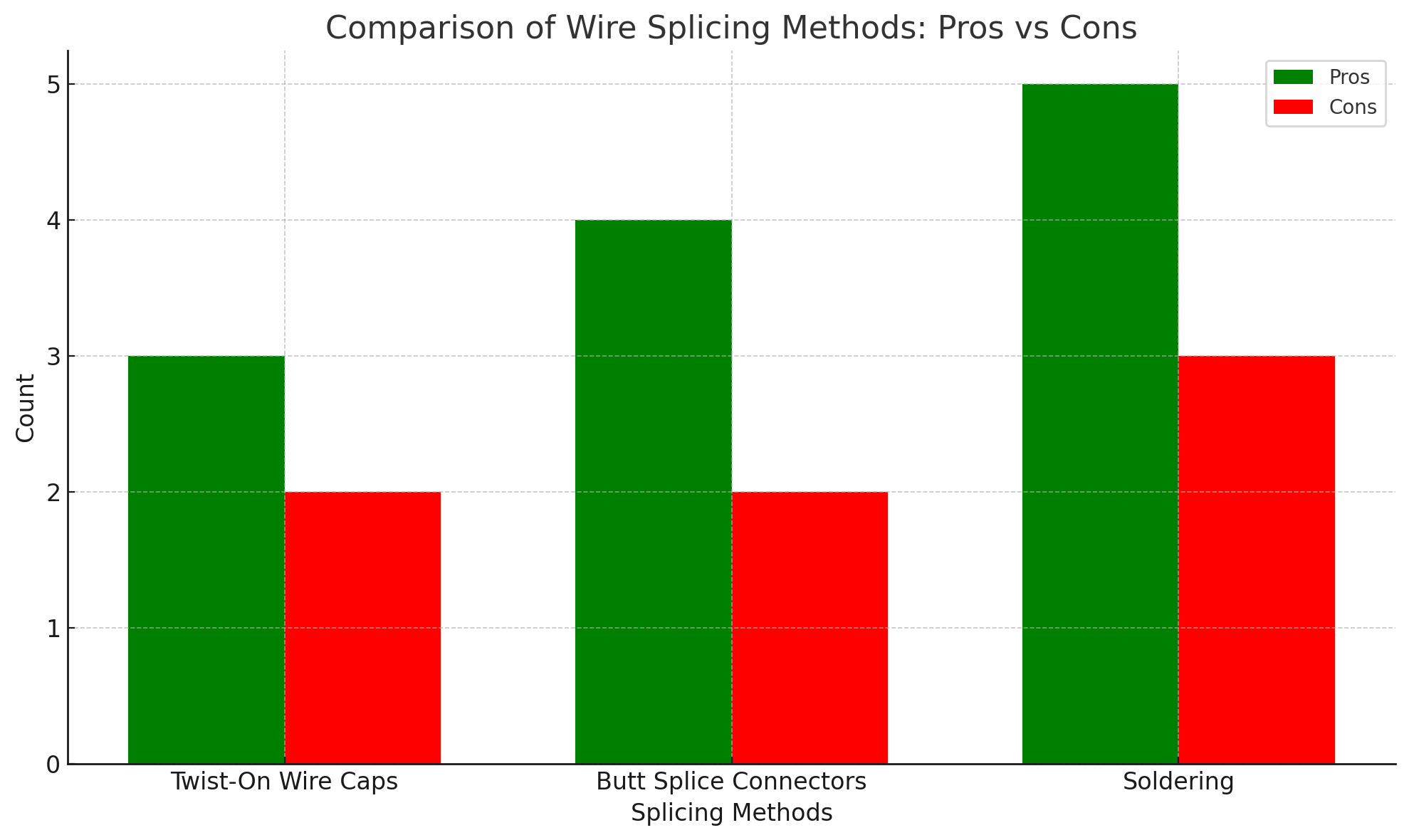
Splicing Method | Best For | Pros | Cons |
Twist-On Wire Caps | Quick, low-voltage splicing | Easy and fast to use | Less reliable for long-term connections |
Butt Splice Connectors | Thick wires, more secure splicing | Provides strong mechanical connection | Requires crimping tool |
Soldering | High-reliability applications | Most durable and reliable | Requires skill and more time |
Safety Considerations When Splicing Wires
Always Disconnect Power Before Splicing
Always ensure the power is off before you begin splicing. Electrical shock is a serious risk, so make safety your top priority.
Wear Protective Gear
Safety glasses and insulated gloves protect you from debris and accidental electrical contact. It’s always best to be cautious.
Proper Insulation and Electrical Tape Use
Ensure that the splice is properly insulated to prevent exposed wires from causing short circuits or electrical fires. Both heat shrink tubing and electrical tape can help ensure safety.
Troubleshooting Common Splicing Issues
Loose or Unstable Connections
If you notice that the connection is unstable or the wires seem loose, recheck the crimp or soldering. A poor connection can cause issues like sparking or current loss.
Exposed Wires and Insulation Failures
If the wire insulation isn’t fully intact or the splice is exposed, this can lead to short circuits. Be sure to use proper insulation materials like heat shrink tubing or electrical tape.
Testing Splices for Continuity
After completing a splice, always test it with a multimeter to ensure there’s no voltage loss and the splice is functioning properly.
Issue | Solution |
Loose or Unstable Connections | Recheck the crimp or soldering; ensure it's secure |
Exposed Wires or Insulation Failures | Insulate properly with heat shrink tubing or electrical tape |
Poor Splice Performance | Test the splice with a multimeter for continuity |
Best Practices for Cable Assembly and Wire Splicing in Different Industries
Industrial Applications
In industries such as telecommunications, aerospace, and automotive, wire splicing ensures the continuity and efficiency of electrical systems. Using high-quality cable assembly and splicing techniques is crucial for reliability.
DIY and Home Use
When splicing wires in a home environment, always follow safety guidelines and use reliable connectors like wire nuts or butt splice connectors.
Custom Cable Assembly
For professional cable assembly, it's essential to use durable and secure splicing techniques. Soldering or heat-shrink splices are often preferred to ensure optimal performance.
Conclusion
Mastering wire splicing is essential for anyone working with electrical systems. Whether you're repairing wires at home or assembling custom cables for industrial use, choosing the right splicing method, tools, and materials is crucial for safe and reliable connections. Always prioritize safety, use high-quality products, and test your splices to ensure long-lasting performance. At TOTEK, we provide top-tier cable assembly solutions that ensure superior quality and durability, making your electrical connections both secure and efficient.
FAQ
Q: What is wire splicing, and why is it important?
A: Wire splicing is the process of joining two or more wires to create a continuous electrical connection. It’s crucial for repairing, extending, or creating custom cable assemblies that ensure safe and reliable electrical systems.
Q: How do you splice a wire safely?
A: Always turn off the power before splicing. Use proper tools like wire strippers and crimpers. Choose quality connectors, and make sure the splice is insulated using heat shrink tubing or electrical tape. A secure splice is essential for cable assembly integrity.
Q: What tools do I need to splice a wire?
A: Essential tools include wire cutters, strippers, pliers, crimpers, and a soldering iron. These tools ensure your splices are clean and reliable, especially when working on more complex cable assemblies.
Q: Can I use twist-on wire caps for splicing?
A: Yes, twist-on wire caps are ideal for quick and easy splicing, especially for low-voltage applications. For more secure connections in cable assemblies, consider butt splice connectors or soldering.
Q: How do you test a wire splice?
A: Use a multimeter to check the continuity of the splice. Ensure that the connection is secure and that the splice is functioning correctly, especially when working on cable assembly projects.
Q: What’s the best method for splicing thick wires?
A: Butt splices are ideal for splicing thicker wires. They provide a secure and durable connection, especially when used in cable assemblies that require high reliability.
Q: What are the advantages of using soldering for wire splicing?
A: Soldering offers the most reliable connection for cable assemblies, ensuring durability and excellent conductivity. It requires skill but provides a long-lasting, professional finish.


