Contents
Introduction
Understanding DC Connectors: The Basics
Types of DC Connectors
Key Features of DC Connectors
Applications of DC Connectors
Choosing the Right DC Connector for Your Needs
The Future of DC Connectors
Conclusion
FAQs
Introduction
A DC connector is a critical component in the electrical world, acting as the interface between power sources and devices in various industries. Whether you're powering a laptop, connecting a surveillance camera, or setting up a home solar panel system, the DC connector ensures the flow of electrical current between the power supply and the device.
This article provides a thorough exploration of what DC connectors are, their types, key features, applications, and how to choose the right connector for your needs. By the end, you'll have a clear understanding of this essential technology and how it powers everyday devices.
Understanding DC Connectors: The Basics
A DC connector (Direct Current connector) is a device used to connect a power source (like a battery or power adapter) to an electronic device or system. It allows the flow of direct current (DC) electricity through the connector to power the device, ensuring proper electrical connectivity.
DC connectors typically come with a metal pin or post inside a socket, providing a secure connection that transmits power with minimal resistance. They are commonly used in consumer electronics, power adapters, industrial equipment, and renewable energy applications.
How DC Connectors Work
The functionality of a DC connector is straightforward. When a DC plug (the male end) is inserted into a matching socket (female end), the electrical circuit is completed, enabling the flow of direct current from the power source to the device. This setup is crucial for devices that require a steady, unidirectional flow of electricity, such as charging circuits and low-voltage electronic equipment.
Types of DC Connectors
There are various types of DC connectors, each designed for specific use cases. Understanding the differences between these types helps in selecting the right connector for your application.
Barrel Connectors
Barrel connectors are one of the most common types of DC connectors. They are characterized by a cylindrical shape, where the male end has a metal pin in the center, and the female end is a corresponding metal sleeve. Barrel connectors are often used in power adapters for devices like laptops, cameras, and routers.
2.1mm, 2.5mm, and 5.5mm Sizes: A Comparison
DC barrel connectors come in different sizes, which refer to the outer diameter of the connector. The most common sizes include:
| Size | Outer Diameter | Typical Applications |
| 2.1mm | 2.1 mm | Small electronics, low power devices |
| 2.5mm | 2.5 mm | Consumer electronics, mid-range power devices |
| 5.5mm | 5.5 mm | High-power devices, such as power adapters for monitors, security systems |
Choosing the correct size ensures a secure connection and prevents power loss.
Circular and Rectangular DC Connectors
Circular DC connectors are commonly used in power supply systems where robust connections are required, such as in automotive or industrial applications. These connectors have round-shaped bodies with multiple pins that allow for higher current ratings.
Rectangular DC connectors, while less common, are typically used in specialized applications where space constraints are a factor, or a larger number of connections is required.
Key Features of DC Connectors
When selecting a DC connector for your project or product, several key features need to be considered. These features impact the safety, efficiency, and reliability of the connection.
Voltage and Current Ratings
DC connectors come with specific voltage and current ratings, indicating the maximum electrical load they can safely carry. These ratings are crucial for ensuring that the connector does not overheat, degrade, or fail under high-power conditions. Choosing a connector with an appropriate voltage and current rating for your device is essential to avoid short circuits or damage.
Pin Count and Configuration
DC connectors can vary in terms of pin configuration. Some connectors use a single pin, while others may have multiple pins for complex connections (e.g., for data or power delivery). Pin count and configuration are essential considerations based on the type of device you are connecting and the number of electrical connections required.
Polarity and Insulation
Polarity refers to the orientation of the positive and negative terminals in a DC connection. Most DC connectors have clearly marked polarities to prevent reverse polarity, which can damage electronic components. Additionally, the insulation material used in the connector is crucial for safety, preventing short circuits and ensuring reliable performance.
Applications of DC Connectors
DC connectors are used in a wide range of industries and applications. Here are a few key examples:
Consumer Electronics
DC connectors are most commonly found in consumer electronics like laptops, tablets, power banks, cameras, and other portable devices. These connectors are used to charge the device, provide power for functionality, and enable communication with other systems.
Industrial Equipment
In industrial settings, DC connectors are employed in automation systems, sensors, and equipment that require stable power delivery. DC connectors ensure that factory equipment, robotics, and security systems remain powered and operational under demanding conditions.
Power Supply Systems
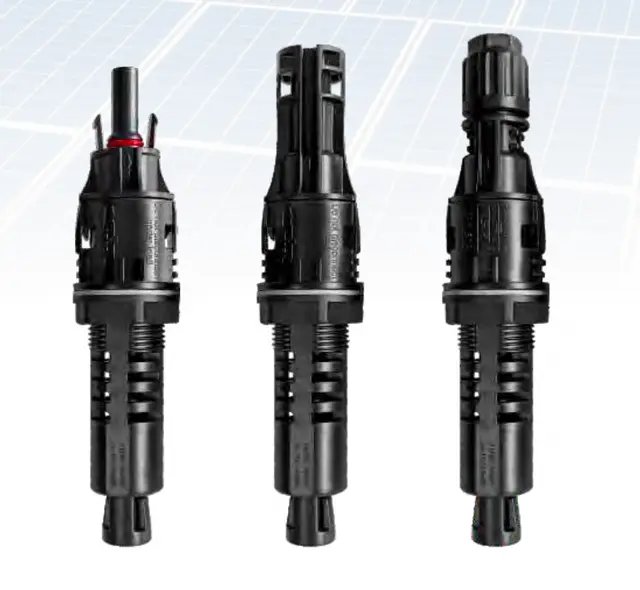
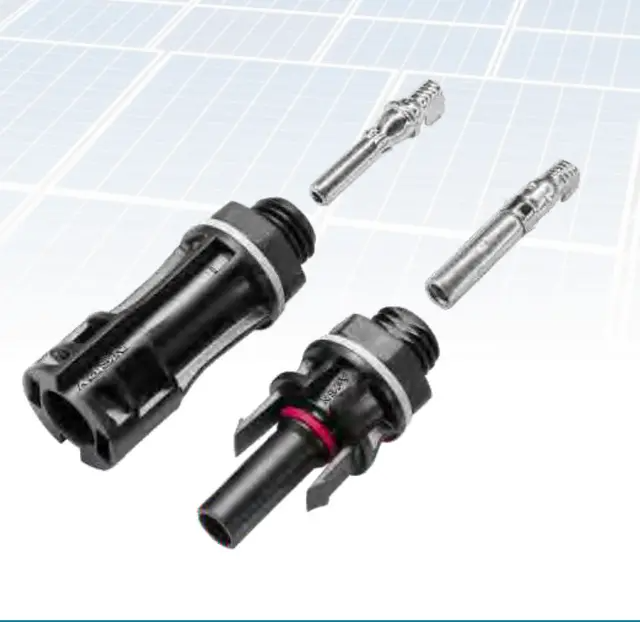
DC connectors are essential in renewable energy systems, such as solar power setups. Solar panels, batteries, and charge controllers often rely on reliable DC connectors to ensure efficient energy transfer and storage. These connectors are designed to withstand harsh environmental conditions and support high-power applications.
Choosing the Right DC Connector for Your Needs
Selecting the right DC connector requires considering various factors, such as voltage, current, and environmental durability.
Considerations for Voltage and Current
The first consideration should always be whether the connector can handle the voltage and current requirements of your device or system. Overestimating the power requirement may result in unnecessary bulk or cost, while underestimating it could lead to connector failure or device malfunction.
Durability and Environmental Factors
If the connector will be used outdoors or in harsh environments, you'll need to select a model that can withstand exposure to moisture, dust, and temperature variations. Waterproof and weather-resistant connectors are available for such applications.
The Future of DC Connectors
The world of DC connectors continues to evolve, driven by innovations in materials, manufacturing techniques, and growing demand for energy-efficient, compact designs.
Innovations and Trends in Connector Design
With the increasing miniaturization of electronic devices, connectors are becoming smaller and more efficient, yet still capable of carrying high power levels. Innovations such as magnetic and wireless charging connectors are also making waves, reducing wear and tear associated with physical connectors.
Environmental and Sustainability Considerations
There is a growing emphasis on sustainable design in the connector industry. Eco-friendly materials, recyclable components, and energy-efficient manufacturing processes are becoming more common, helping to reduce the environmental footprint of DC connectors.
Conclusion
A DC connector is a vital component in electrical systems, ensuring reliable power delivery across a wide range of devices and applications. Whether you're designing a consumer gadget or setting up a solar panel system, selecting the right DC connector is crucial for both performance and safety.
By understanding the types of connectors, key features to consider, and their diverse applications, you can make informed decisions when choosing a DC connector for your project.
FAQ
1. What is the difference between AC and DC connectors?
AC connectors are designed for alternating current (AC) power, whereas DC connectors are designed for direct current (DC) power. AC connectors are often used for home appliances and industrial equipment, while DC connectors are used in devices like laptops, cameras, and renewable energy systems.
2. Can I use any DC connector for my device?
No, it's important to choose a DC connector that matches the voltage, current, and size specifications of your device. Using an incorrect connector can cause malfunction or damage.
3. How do I know the size of the DC connector I need?
The size of a DC connector typically refers to its outer diameter and inner pin diameter. Common sizes are 2.1mm, 2.5mm, and 5.5mm. Check your device's manual or the connector specifications to ensure compatibility.
4. Are DC connectors weatherproof?
Some DC connectors are designed for outdoor or industrial use and are weatherproof or waterproof. These connectors often feature seals or protective covers to prevent moisture from entering.
5. What is the lifespan of a DC connector?
The lifespan of a DC connector depends on factors like usage, environment, and build quality. Higher-quality connectors can last for many years, while poor-quality connectors may wear out faster.


